
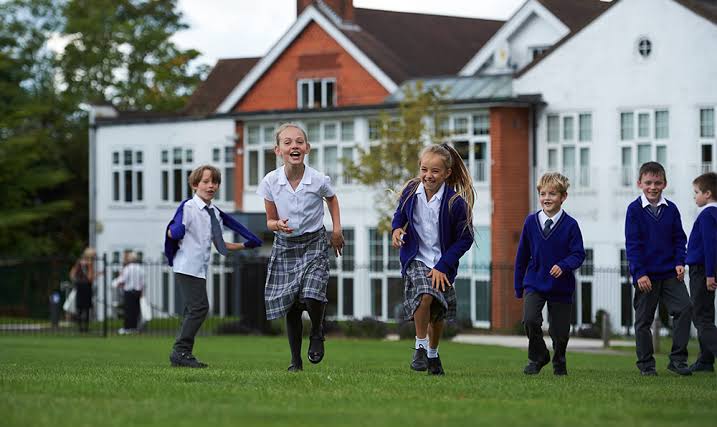
Think about a tennis rally. A player who keeps their footing, reads the court and chooses their own shot tends to win the point, while one who simply reacts to every ball comes off worse. Peer pressure works in much the same way. Children who know their own mind can respond thoughtfully rather than scrambling to keep up with whatever the group is doing.
Parents often ask how to spot when their child is struggling with social pressure, and what to actively look for as they help. Here is a practical checklist you can work through over time.
Watch for the quiet signs
Peer pressure rarely announces itself. Look for small shifts: a sudden change in what your child wears, listens to or spends money on. Reluctance to talk about a particular friend. A drop in enthusiasm for activities they used to love. None of these confirm a problem on their own, but together they are worth a gentle conversation.
Check whether they can say no comfortably
A child who can decline an invitation or an idea without panicking is far better equipped for the schoolyard. Practise it at home. Role-play situations where they turn something down, and let them hear how a calm “no thanks” actually sounds. The aim is not to make them contrary. It is to show them that refusing is a normal, acceptable option.
Notice how they talk about their friends
Healthy friendships allow for disagreement. If your child describes a group where everyone must think and act identically, that uniformity is a red flag. Encourage them to keep a range of friends across different settings, whether that is a class project, a lunchtime club or a weekend sport. Tennis is a good example here, because it teaches children to compete hard and then shake hands, holding on to respect even when they do not get their own way.
Look at how the school handles it
The environment matters enormously. Strong schools build resilience into everyday life rather than treating it as an add-on. When choosing or reviewing a setting, look for pastoral care that is named and visible, clear anti-bullying routines, and staff who know pupils as individuals. Many parents find that schools with a strong focus on character and wellbeing give children the confidence to make independent choices under pressure.
Give them the language for tricky moments
Children often cave simply because they do not have the words to escape. Hand them a few ready-made lines: “I’m not into that”, “My mum’s collecting me”, or “You go ahead, I’ll catch up.” Having something to say buys time and reduces the fear of freezing up in front of others.
Keep the door open at home
The single most protective factor is a child who feels able to talk to you without being judged or immediately lectured. Ask open questions. Listen more than you correct. When they share something difficult, resist the urge to solve it instantly, and instead ask what they think they might do. A child who trusts you with the small things will come to you with the big ones.
Model it yourself
Children copy far more than they are told. If they watch you handle disagreement calmly, stand by your values and treat others with respect, they absorb that far better than any lecture. Consistency at home gives them a steady baseline to measure the noise of school life against.
Read More: A Parent’s Guide to Video Games
Peer pressure will always be part of growing up. The goal is not to shield children from it entirely, but to help them meet it with a settled sense of who they are. A child who can hold their own footing, like a player who trusts their game, will handle the pressure of the court, and the classroom, with far greater ease.
You can find more on how schools nurture confident, independent young people at https://bansteadprep.com.
About the author
This article was contributed by the team at Banstead Preparatory School, an independent day school in Surrey educating boys and girls from Nursery to Year 6. Banstead Prep places pastoral care and character development at the heart of school life, alongside strong academic standards and a broad co-curricular programme that includes sport, music and the arts. The school is committed to helping every child grow into a confident, resilient and considerate individual.
Read More: Turning Peer Influence Into a Positive Force at Home