
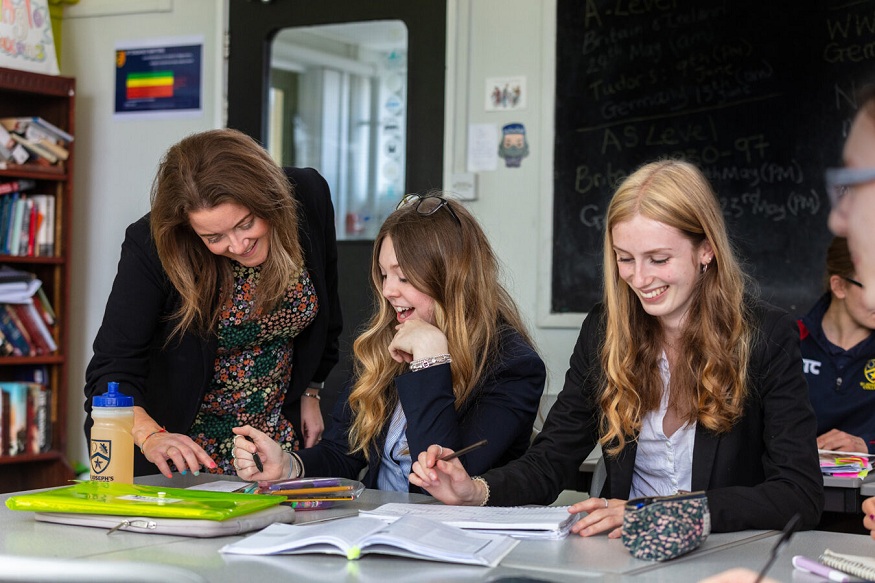
A Levels are a pivotal stage in a student’s academic journey, often determining their options for university and future careers. Supporting your child through this period can make a significant difference to their confidence, focus, and overall performance. Here are some practical ways parents can help.
Create a Structured Study Routine
One of the most effective ways to support your child is by helping them establish a structured study routine. Independent sixth form colleges suggest that consistency is key, so encourage them to plan out daily and weekly study sessions, balancing each subject according to their strengths and weaknesses. Using timetables or planners can help them visualise their workload and prevent last-minute cramming.
It’s important to include regular breaks to avoid burnout. Techniques such as the Pomodoro method – 25 minutes of focused study followed by a 5-minute break – can enhance concentration and retention. A structured routine not only helps with time management but also reduces stress by creating a sense of control over their revision.
Provide a Calm and Supportive Environment
The environment in which your child studies can significantly impact their ability to focus. Ensure they have a quiet, well-lit space free from distractions such as phones or social media. Simple adjustments, like a comfortable chair and a tidy desk, can make a big difference.
Read More: The Rise of Fake Accreditation & Online Education Scams: What You Need to Know?
Support goes beyond physical surroundings. Emotional support is equally important. Encourage open conversations about their progress, concerns, or anxieties. Listening without judgment and offering reassurance can help them manage stress and maintain motivation throughout the revision period.
Encourage Active Learning Techniques
Passive reading is rarely enough for effective A Level preparation. Encourage your child to use active learning techniques such as summarising notes, creating mind maps, or teaching concepts back to you. These strategies reinforce understanding and help identify areas that need more attention.
Past papers are another invaluable resource. Practising exam questions under timed conditions familiarises your child with the exam format and improves exam technique. Reviewing answers together and discussing any mistakes can further enhance learning and boost confidence.
Promote Healthy Habits
A child’s physical wellbeing directly affects their academic performance. Encourage regular exercise, a balanced diet, and sufficient sleep. Even short walks or light physical activity can relieve stress and improve concentration. Adequate sleep is particularly important, as memory consolidation occurs during rest, helping revision efforts to stick.
Read More: What is an M.Ed. Looks Like in an AI-Enabled Education System
It’s also vital to discourage excessive caffeine or energy drinks, which can interfere with sleep and increase anxiety. Teaching your child to balance study with relaxation ensures they remain healthy, alert, and focused throughout the exam season.
Stay Involved, but Avoid Pressure
Finally, it’s important to strike a balance between involvement and pressure. Show interest in your child’s progress, help them organise their study schedule, and celebrate their achievements, no matter how small. However, avoid creating unnecessary pressure or comparisons with peers, which can heighten stress and undermine motivation.
By providing structure, a supportive environment, active learning strategies, and healthy lifestyle habits, you can help your child approach their A Level exams with confidence and resilience. The goal is not only academic success but also the development of skills and habits that will benefit them far beyond the exam hall.